What is a crypto card payment reversal?
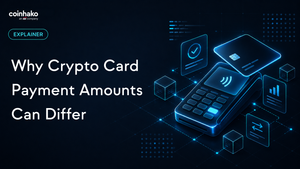
A crypto card payment reversal generally happens when a card transaction is authorised but is later cancelled before, or as part of, final settlement.
This may occur when a merchant does not complete the transaction, cancels an authorisation or submits a different final transaction.
A reversal is different from a refund, which generally happens after a completed transaction has already been settled.
🤔 Why can a crypto card payment be reversed?
Common reasons may include:
The merchant cancels the transaction
A merchant may cancel an authorised payment before it is completed.
An authorisation expires
If a merchant does not complete a transaction within the required period, a temporary authorisation may eventually be released.
The final transaction is different
Some merchants first request an estimated amount and later submit the final amount.
The original authorisation may be reversed or adjusted as part of this process.
Payment processing issues
A transaction may also be reversed if it cannot be completed through the relevant payment infrastructure.
What happens to the reserved amount?
When a transaction is authorised, part of the available card balance may be temporarily reserved.
If the authorisation is reversed, the reserved amount may be released back to the available balance.
The timing can vary depending on the merchant, payment network and card programme.
Reversal vs refund: what is the difference?
A reversal generally occurs before or around final settlement.
A refund generally occurs after a completed transaction, when the merchant returns all or part of the payment.
Because these processes are different, their processing times may also differ.
Example
A user makes a card payment, and the merchant temporarily authorises the amount.
The merchant later cancels the transaction before settlement.
The original authorisation may then be reversed and the reserved amount released according to the card programme's processing rules.
In summary
A crypto card payment reversal generally occurs when an authorised transaction is cancelled or does not proceed to final settlement.
The reserved amount may then be released, although processing times can vary.
A reversal should not be confused with a merchant refund after a completed transaction.
Quick Answers
Does a reversed card payment mean the transaction failed?
Not necessarily. It may mean that an earlier authorisation was cancelled or did not proceed to settlement.
When will a reversed amount become available again?
Timing varies depending on the merchant, payment network and card programme.
Is a reversal the same as a refund?
No. A reversal generally occurs before final settlement, while a refund usually follows a completed transaction.
Tell me more…
- What Is Cryptocurrency?
- What Is Blockchain?
- What Is Bitcoin?
- What Is Ethereum (ETH)?
- What Is a Crypto Exchange?
- What is a Stablecoin in Cryptocurrency?
- What is a Memecoin?
- How Does Crypto Trading Work?
- What Is Slippage in Crypto Trading and Why Does It Matter?
- APY vs APR in Crypto: What's the Difference?
- Crypto Fees Explained: Trading Fees vs Withdrawal Fees vs Network Fees
- What Are Gas Fees?
- What Are Ethereum Gas Fees and Why Do They Change?
- How to Check Ethereum Gas Fees Before Sending a Transaction
- Why Ethereum Transactions Get Stuck and How to Fix Them
- What are Ethereum Layer-2 Blockchains?
- What Is a Crypto Wallet and How Does It Work?
- Hot Wallet vs Cold Wallet: Which Is Safer for Storing Crypto?
- Private Keys vs Public Keys: What’s the Difference in Crypto?
- How to Keep Your Crypto Secure
- Cybersecurity in Singapore: How to Identify Fraudulent Investment Schemes and Protect Your Bitcoin
- Bitcoin Security in Singapore: How to Store and Protect Your Digital Assets Safely
- Crypto Wallet Security in Singapore: How to Safeguard Your Bitcoin and Private Keys
- Buying Bitcoin in Singapore: How to Start Investing in Digital Assets Safely
- Bitcoin Transactions Explained: How to Send and Receive Digital Assets Safely
- Crypto Phishing Attacks in Singapore: How to Identify Fake Websites and Protect Your Digital Assets
- Common Crypto Scams in Singapore and How to Avoid Them
- What Is MEV (Maximal Extractable Value) in Crypto?
- What Is a Smart Contract in Blockchain?
📬 Stay Updated
📩 Sign-up to Subscribe to our mailing list to have them delivered straight to your inbox!
👉 Follow our X.
🤝 Need Help?
🤔 If you have any enquiries, you may contact us here or you can visit our Information Page.
🌏 Coinhako is available in these countries!
🚀 Buy Bitcoin at Coinhako Singapore
Copyright © Coinhako 2026 All Rights Reserved. Read more on our terms of use of this blog.
All opinions expressed here by Coinhako.com are intended for educational purposes, taken from the research and experiences of the writers of the platform, and should not be taken as investment or financial advice.